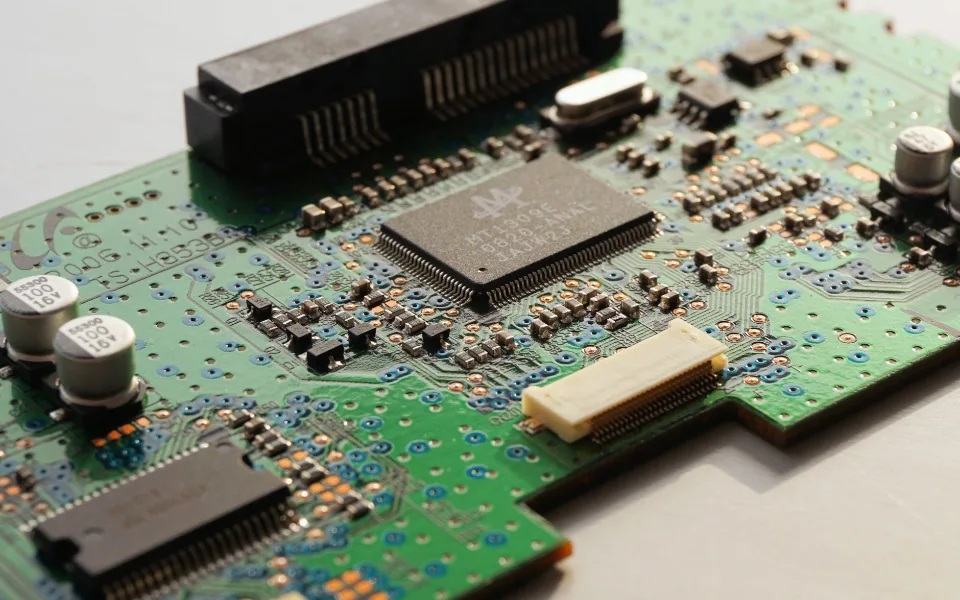
Introduction: The Evolution of Microcontroller Technology If you think microcontrollers (MCUs) are just simple chips for basic automation, you’re missing the bigger picture. MCUs are the brains behind everything—from IoT devices and automotive electronics to industrial automation and AI-powered applications. As we step into 2025, MCU technology is evolving faster than ever, bringing higher efficiency, better connectivity, and more computing power to embedded systems.
But here’s the real deal: which MCU trends should developers, engineers, and businesses pay attention to? How will these trends reshape industries like consumer electronics, automotive, and industrial automation?...
A Practical Guide to Surface Mount Technology (SMT) Covering Solder Paste, Reflow, Components, and Process Control Solder Paste, Stencils & Workshop Basics Standard SMT workshop temperature is 25°C ±3°C (77°F ±5.4°F). Required tools for solder paste printing include: solder paste, stencil, squeegee, stencil wipes, lint-free cloth, cleaning solvent, and a paste spatula. Common solder paste alloy: Sn/Ag/Cu 305 (96.5/3.0/0.5), melting point: 217°C (422.6°F). Solder paste contains two main components: solder powder and flux. The flux removes oxides, breaks surface tension, and prevents re-oxidation during soldering. Typical volume ratio of solder powder to flux: 1:1; weight ratio: 9:1. Always follow FIFO (first-in, first-out) when using solder paste. Two required steps before use: bring to room temperature and stir thoroughly. For moisture-sensitive devices (MSDs), the humidity indicator card (HIC) must show blue to proceed with assembly. Common stencil manufacturing methods: etching, laser cutting, electroforming, and nano-coating. Among them, laser-cut stencils are reworkable. SMT stands for Surface Mount Technology – attaching electronic components directly onto the surface of PCBs. ESD, Components & Documentation ESD stands for Electrostatic Discharge, a critical factor in electronic manufacturing.
SMT machine programs generally consist of five data sets: PCB data, fiducial mark data, feeder data, nozzle data, and part data.
The relative humidity inside dry cabinets for MSDs should be maintained below 10% RH.
Common passive components: resistors, capacitors, inductors, diodes; common active components: transistors, ICs.
SMT stencils are typically made from stainless steel, with common thicknesses being 0.12 mm or 0.15 mm.
Try to balance cycle times between high-speed and multi-purpose placement machines to optimize line efficiency.
Sources of static charge include friction, separation, induction, and conduction.
ESD risks: device failure, contamination. Elimination methods: ionization, grounding, and shielding. Package sizing:
Imperial 0603 = 0.06" × 0.03" Metric 3216 = 3.2 mm × 1.6 mm Example of component markings:
Resistor “ERB-05604-J81”: “4” = 4 circuits, 56Ω Capacitor “ECA-0105Y-M31”: C = 106 pF = 0.1 nF Document types:
ECN = Engineering Change Notice SWR = Special Work Request These must be signed off by relevant departments and issued by document control to be valid....